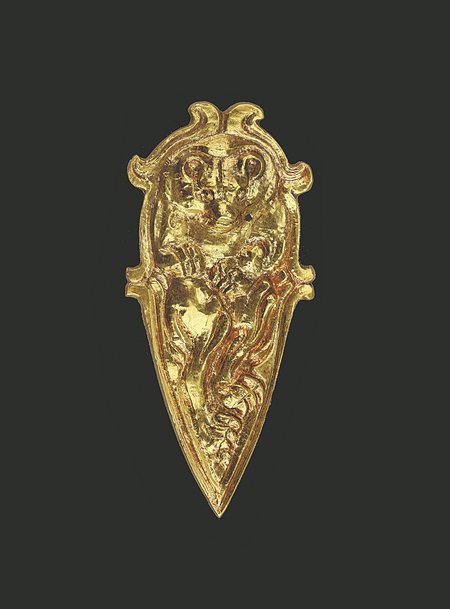
Jiangcun Grand Tomb in Xi'an, Shaanxi
Introduction
The Jiangcun Grand Tomb, located on the outskirts of Xi'an city in Shaanxi province, has emerged as one of the most significant archaeological discoveries in recent years. This monumental tomb is now identified as the mausoleum of Liu Heng, the esteemed emperor of the Western Han Dynasty (206 BC-AD 24). The confirmation of this site as the final resting place of such a pivotal historical figure has ended a longstanding debate among historians and archaeologists, making it a focal point for archaeological and historical studies of Ancient China. The discovery was selected as one of "China's Top 10 New Archaeological Discoveries of 2021".
Historical Background
Liu Heng, posthumously known as Emperor Wen of Han, was a ruler known for his frugal and diligent approach to governance, which paved the way for the prosperity that characterized the Western Han Dynasty. The dynasty is noted for its consolidation of imperial power, economic expansion, and significant cultural advancements. The Western Han period was marked by substantial developments in agriculture, industry and trade, with the Silk Road facilitating cultural exchanges with other civilizations. The discovery of Liu Heng's tomb provides invaluable insights into the burial practices, architectural techniques and cultural milieu of one of China's most formative historical periods.
Discovery and Excavation
Initial Findings
The identification of the Jiangcun Grand Tomb as Liu Heng's mausoleum has been a pivotal moment in Chinese archaeology. The tomb was initially discovered on the outskirts of Xi'an, a city with a rich historical heritage as the capital city of several of China's most powerful dynastic rulers. Archaeologists and historians had long debated the location of Liu Heng's burial site, with various theories proposed over the years. However, recent excavations at the Jiangcun site offered concrete evidence that confirmed its identity as the emperor's final resting place. This breakthrough has been a significant achievement in the field of archaeology, adding a critical piece to the puzzle of ancient Chinese history.
Archaeological Techniques
The excavation of the Jiangcun Grand Tomb employed a range of sophisticated archaeological techniques to ensure the careful preservation and detailed study of the site. Ground-penetrating radar and other geophysical methods were used to map the tomb's layout before physical excavation began. This non-invasive approach allowed archaeologists to plan their excavation strategy meticulously, minimizing disruption to the site. During the dig, experts employed advanced techniques to document and preserve artifacts, structures and biological remains, providing a wealth of information for future research.
Architectural Features
Tomb Structure
The Jiangcun Grand Tomb is a testament to the architectural ingenuity of the Western Han era. The tomb's structure is characterized by its impressive size and elaborate design, reflecting the importance and status of Emperor Liu Heng. Its layout includes multiple chambers, passageways and burial pits, arranged in a manner that aligns with the traditional Chinese cosmological concepts and the hierarchical principles of the period. The tomb's massive stonework and intricate brick construction are indicative of the advanced engineering skills possessed by the builders of that era. The overall architectural form of the tomb encapsulates both the ceremonial grandeur and the functional aspects of a royal burial site.
Interior Design
Inside the tomb, the interior design reveals a wealth of cultural and artistic elements that provide a glimpse into the aesthetic preferences and material culture of the Western Han Dynasty. The walls and ceilings of the burial chambers likely feature remnants of painted motifs and decorative patterns, though many have been eroded over time. These artistic elements, combined with the tomb's structural complexity, illustrate the Han Dynasty's emphasis on creating a space that was not only a resting place for the dead but also a reflection of earthly life and the afterlife beliefs held by the society. The interior design of the Jiangcun Grand Tomb offers an invaluable perspective on the artistic and cultural values of ancient China.
Cultural Significance
The discovery of the Jiangcun Grand Tomb has profound cultural significance, shedding light on the burial customs, religious beliefs and social hierarchies of the Western Han Dynasty. As Liu Heng was a pivotal figure in Chinese history, understanding the design and contents of his tomb offers insights into the period's political ideologies and cultural practices. The tomb's structure and artifacts suggest an intricate connection between the material and spiritual worlds, reflecting the dynasty's complex worldview. Moreover, the tomb's discovery contributes to the broader narrative of Chinese civilization, highlighting the dynastic continuity and cultural evolution that has shaped the nation's historical trajectory.
Artifacts and Relics
Types of Artifacts
The excavation of the Jiangcun Grand Tomb has yielded a diverse array of artifacts, each offering a window into the life and times of the Western Han Dynasty. These include everyday objects made from pottery, bronze and jade, which illustrate the craftsmanship and material culture of the era. Ritual items, possibly used in funerary ceremonies, attest to the spiritual beliefs and practices surrounding death and the afterlife. Additionally, personal items such as jewelry, clothing fragments and weapons found in the tomb reflect the social status and personal life of Emperor Liu Heng and the aristocracy of his time. The variety and significance of these artifacts make them invaluable resources for understanding the material culture and societal norms of ancient China.
Conservation Efforts
Preserving the artifacts and the site of the Jiangcun Grand Tomb has been a priority for archaeologists and conservationists. Advanced conservation techniques have been employed to clean, stabilize, and restore the delicate items excavated from the tomb. Climate-controlled environments and specialized treatments ensure the long-term preservation of organic materials, such as textiles and wood, that are particularly susceptible to degradation. These efforts not only protect the artifacts for future study but also enable the public to engage with China's rich cultural heritage through exhibitions and educational programs.








